The Rebranding of Sin by Tina Malaty

The rebellion against God did not begin with hostility toward truth, but with reinterpretation of it. Scripture reveals that deception rarely arrives announcing itself as evil. Instead, it arrives as reasonable, compassionate, and progressive. What we are witnessing in modern culture is not merely moral decline, but a systematic reframing of sin, one that replaces moral language with psychological, therapeutic, and sociological categories—often in ways that quietly erode accountability, repentance, and the possibility of spiritual rebirth.
This article examines how the devil has historically manipulated the hearts of men by distorting truth, how modern culture and social media have become tools of normalization, and how psychological labels—while sometimes descriptively useful—can function as moral veils that obscure sin and hinder transformation.
1. The Original Strategy: Distortion, Not Denial
The first deception in Scripture establishes the pattern for all that followed.
“Did God really say…?” (Genesis 3:1)
The serpent did not deny God’s existence or openly contradict His authority. He reframed God’s word to suggest that obedience was unreasonable and that restriction was unjust. The deception worked because it shifted perception before behavior.
This pattern persists throughout Scripture:
“Such men are false apostles… disguising themselves as servants of righteousness.” (2 Corinthians 11:13–14)
The devil’s primary strategy has always been camouflage—making rebellion appear enlightened, compassionate, or inevitable.
2. From Obedience to Autonomy: The Heart of Rebellion
At the core of deception is the replacement of divine authority with human self-rule.
“You will be like God, knowing good and evil.” (Genesis 3:5)
Here, rebellion is framed not as defiance, but as self-actualization. Scripture repeatedly warns that this inversion leads to moral chaos:
“In those days there was no king in Israel. Everyone did what was right in his own eyes.” (Judges 21:25)
Paul later describes this condition as one in which truth is not merely rejected, but suppressed:
“They suppress the truth by their unrighteousness.” (Romans 1:18)
This suppression is not accidental—it is motivated by desire.
3. How Sin Became Rebranded as Disorder
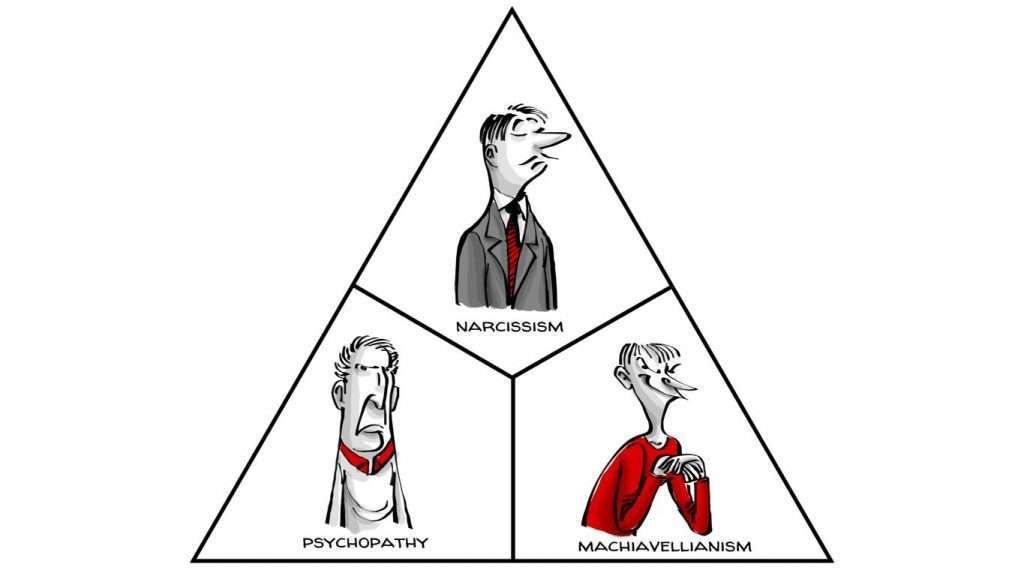
In modern culture, many behaviors explicitly condemned in Scripture are no longer described morally, but clinically. Patterns such as deceit, exploitation, lack of empathy, pride, domination, and manipulation—long identified in Scripture as wickedness—are now often classified under psychological constructs such as narcissism, psychopathy, Machiavellianism, or antisocial personality disorder.
Scripture names these behaviors plainly:
- Pride and entitlement
“God opposes the proud.” (James 4:6) - Deceit and manipulation
“The wicked are estranged… speaking lies.” (Psalm 58:3) - Lack of conscience or remorse
“They have become callous and have given themselves up to sensuality.” (Ephesians 4:19)
Psychology, by contrast, often frames these patterns as traits, conditions, or defects. While such descriptions can explain patterns, they often carry an implicit message: this is who the person is, not what the person does.
The danger is not description—it is identity fixation.
“As a man thinks in his heart, so is he.” (Proverbs 23:7)
When behavior is reinterpreted as immutable wiring, moral responsibility quietly dissolves.
4. Explanation Without Repentance: A Strategic Outcome
Scripture allows for explanation, but never at the expense of accountability.
“Each person is tempted when he is lured and enticed by his own desire.” (James 1:14)
Modern culture increasingly confuses understanding with absolution. The result is a framework where harmful behavior is endlessly contextualized, but rarely confronted.
This shift aligns precisely with the devil’s aim:
“You will not surely die.” (Genesis 3:4)
Consequences are minimized. Judgment is reframed as cruelty. Repentance becomes unnecessary—or even harmful to self-esteem.
Yet Jesus’ message was unambiguous:
“Repent, for the kingdom of heaven is at hand.” (Matthew 4:17)
Without repentance, rebirth is unintelligible.
5. Social Media as a Normalization Engine
What was once culturally restrained is now algorithmically amplified.
Scripture warns:
“Woe to those who call evil good and good evil.” (Isaiah 5:20)
Social media accelerates this inversion through:
- Repetition (what is seen often feels normal)
- Affirmation loops (likes replace conscience)
- Moral flattening (all judgments labeled “harmful”)
Paul foresaw this condition:
“They not only do them but give approval to those who practice them.” (Romans 1:32)
Platforms reward visibility, not virtue. Over time, exposure dulls moral perception:
“Their minds were darkened.” (Ephesians 4:18)
What Scripture calls seared conscience now presents itself as self-expression.
6. The Cost to Victims and the Faithful
When sin is masked as disorder, victims suffer quietly. Accountability is replaced with empathy devoid of justice. Scripture condemns this imbalance:
“Do not acquit the guilty or condemn the innocent.” (Proverbs 17:15)
God’s concern is consistently for the vulnerable:
“Rescue the weak and the needy; deliver them from the hand of the wicked.” (Psalm 82:4)
A culture that refuses to name sin cannot protect the innocent.
7. Why Naming Sin Preserves Hope
Paradoxically, it is moral clarity—not therapeutic vagueness—that preserves the possibility of redemption.
“If we confess our sins, He is faithful and just to forgive.” (1 John 1:9)
Confession requires naming. Naming requires truth. And truth is what sets people free:
“You will know the truth, and the truth will set you free.” (John 8:32)
Psychology may describe behavior. Culture may normalize it. But only Christ transforms the heart.
“Create in me a clean heart, O God.” (Psalm 51:10)
The devil’s most effective deception is not persuading humanity that God is false, but convincing humanity that God’s moral categories are obsolete. By replacing sin with diagnosis, rebellion with identity, and repentance with self-acceptance, truth is not destroyed—it is quietly displaced.
Yet Scripture remains unchanged:
“Heaven and earth will pass away, but My words will never pass away.” (Matthew 24:35)
The call is not to reject psychology or culture outright, but to refuse any framework that nullifies repentance, accountability, or rebirth.
Because where sin is named, grace can be received. And where truth is restored, freedom becomes possible again.
Conclusion: The Name Is Not the Nature
The Dark Tetrad—narcissism, Machiavellianism, psychopathy, and sadism—is often presented as a fixed constellation of traits, a static psychological identity that explains harmful behavior while quietly implying inevitability. Yet Scripture testifies that these patterns of conduct were neither newly discovered nor misunderstood by God. Long before they were named by clinicians, they were named by the Word of God—described as pride, deceit, cruelty, domination, and the absence of fear of the Lord.
“The heart is deceitful above all things, and desperately sick; who can understand it?” (Jeremiah 17:9)
The biblical diagnosis precedes the psychological one, but it does not end in fatalism. Where modern frameworks often arrest a person in explanation, Scripture insists on transformation.
These traits, though patterned and persistent, are not identities; they are expressions of a fallen nature. Scripture consistently distinguishes between behavior and being, between the old self and the new.
“Put off your old self, which belongs to your former manner of life… and be renewed in the spirit of your minds.” (Ephesians 4:22–23)
To those who have been diagnosed, Scripture does not offer denial, nor does it offer despair. It offers a call—sobering, demanding, and profoundly hopeful.
“Do not be deceived… neither the proud, nor the deceitful, nor the violent will inherit the kingdom of God. And such were some of you.” (1 Corinthians 6:9–11)
The gospel does not deny the depth of corruption; it declares the possibility of death to it.
In Christ, no label is sovereign. No disposition is final. No diagnosis outranks resurrection.
“Therefore, if anyone is in Christ, he is a new creation. The old has passed away; behold, the new has come.” (2 Corinthians 5:17)
Psychology may describe the patterns of the old self. Culture may normalize them. But Scripture proclaims something more radical: the crucifixion of the old nature and the birth of the new.
The Dark Tetrad may explain what has been practiced—but it does not dictate what must be. Where repentance is real and submission to Christ is sincere, the heart is not merely managed; it is made new.
“Create in me a clean heart, O God, and renew a right spirit within me.” (Psalm 51:10)
This is not the language of disorder. This is the language of redemption.